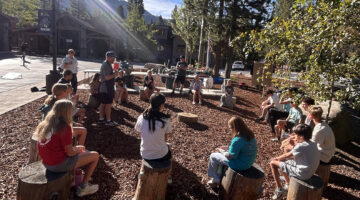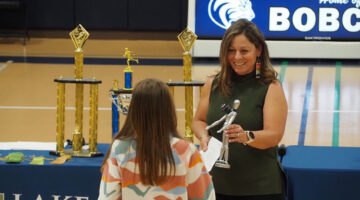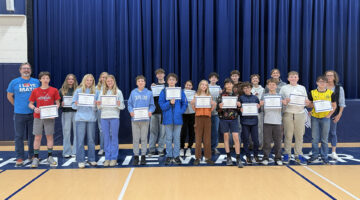
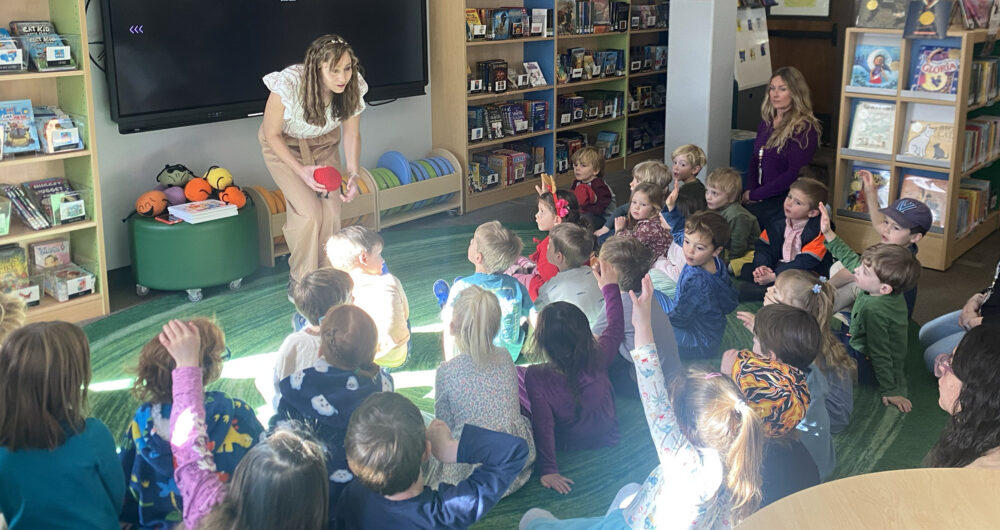
At Lake Tahoe School, we believe that a child’s emotional toolkit is just as essential as their cubby or their backpack. This is why, as part of Lake Tahoe School’s Doyle Family Speaker Series, we recently had the pleasure of hosting Jenni Nakken, author of the “No Bad Feelings” children’s book series and former special education expert.
Jenni’s visit was a whirlwind of SEL (Social-Emotional Learning) in action. From an insightful parent presentation to a PreK read-aloud and a hands-on craft with our Lower School buddies, the message was clear: all feelings are healthy, helpful, and manageable.
While many see SEL as an “extra,” research shows it is the bedrock of academic success. As Jenni shared, history wasn’t changed by happy people alone; it was changed by the frustrated, the sad, and the worried. By teaching children to embrace these “uncomfortable” emotions rather than squashing them, we prepare them to focus, persist, and lead.
The Science of the “Manager” Brain
During her presentation, Jenni dived into the “why” behind big behaviors. She explained that emotions stem from the limbic system—the brain’s impulse center that reacts based on past experiences and environment. When a child feels their pulse race or hands shake, that is their brain alerting them to a situation.
Our goal at Lake Tahoe School is to help students shift those emotions into the prefrontal cortex, which Jenni calls the “Manager.” This part of the brain allows children to pause, weigh their reactions, and choose a helpful action rather than a hurtful one.
Practicing “No Bad Feelings” at Lake Tahoe School
Jenni’s visit reinforced the values we prioritize daily. By blending her insights with our established wellness curricula—Love & Logic in PreK, The Toolbox Project in Lower School, and Making Caring Common in Middle School—we are creating a consistent environment for emotional growth.
Creating Space for Emotion: We focus on normalizing feelings rather than suppressing them. Teachers work with students to help them identify and name what they are feeling in the moment, ensuring every child knows that their emotions are valid and safe to express.
Building a Personal Toolkit: We don’t just talk about feelings; we practice managing them. Students learn concrete strategies to calm their bodies and minds, providing them with a reliable “toolkit” of coping mechanisms they can access whenever emotions run high.
Navigating Friendships: Social conflict is a natural part of growing up. We use these moments as learning opportunities, guiding students to solve interpersonal problems with empathy and clear communication rather than physical reactions.
Bringing the Lesson Home
You don’t need a guest author to keep the conversation going! You can support your child’s SEL journey by:
Validate the “Big” Stuff: Adopt Jenni’s mantra: “It’s okay to feel this way.” Acknowledge the emotion before trying to fix the problem.
Consistency is Key: Try to use the same language we use at school. When things get heated, remind them to use their calming strategies to take a pause.
Model Your Own Feelings: You are the best teacher. Narrate your own regulation by saying, “I’m feeling a little overwhelmed right now, so I’m going to take two deep breaths before I finish this task.”
Vertical Alignment for Student Wellness
At Lake Tahoe School, we ensure that the “emotional literacy” started in our early childhood center becomes a lifelong habit of building emotional resilience, perseverance, and intelligence. Jenni Nakken’s visit and message reflect our commitment to the whole child. By normalizing the “big feelings” today, we are giving our students the tools they need to lead with confidence and kindness tomorrow. At Lake Tahoe School, we believe that when a child feels seen and supported, their potential for learning is truly limitless.